News
July 30, 2026
When people hear about Châteauneuf-du-Pape, they usually think of red wine.
And that makes sense. The red wines have built the worldwide reputation of the appellation, with their generosity, depth and remarkable ageing potential.
But there is another side of Châteauneuf-du-Pape that deserves to be discovered.
The white wines.
For many wine lovers, tasting a Châteauneuf-du-Pape white for the first time comes with a surprise. The reaction is often the same:
"I did not expect a white wine to have so much personality."
Because Châteauneuf-du-Pape white wine is not simply a fresh and easy-drinking white wine.
It has character.
It has texture, complexity and depth, while keeping a freshness that makes it elegant and enjoyable throughout a meal.
This balance between richness and freshness is exactly what makes it such a wonderful gastronomic wine.
Whether enjoyed during a special dinner, paired with fine cuisine or shared with friends around a beautiful table, Châteauneuf-du-Pape white wine has a unique ability to create memorable moments.
A rare white wine from the Rhône Valley
Châteauneuf-du-Pape white wine remains relatively rare compared with the famous red wines of the appellation.
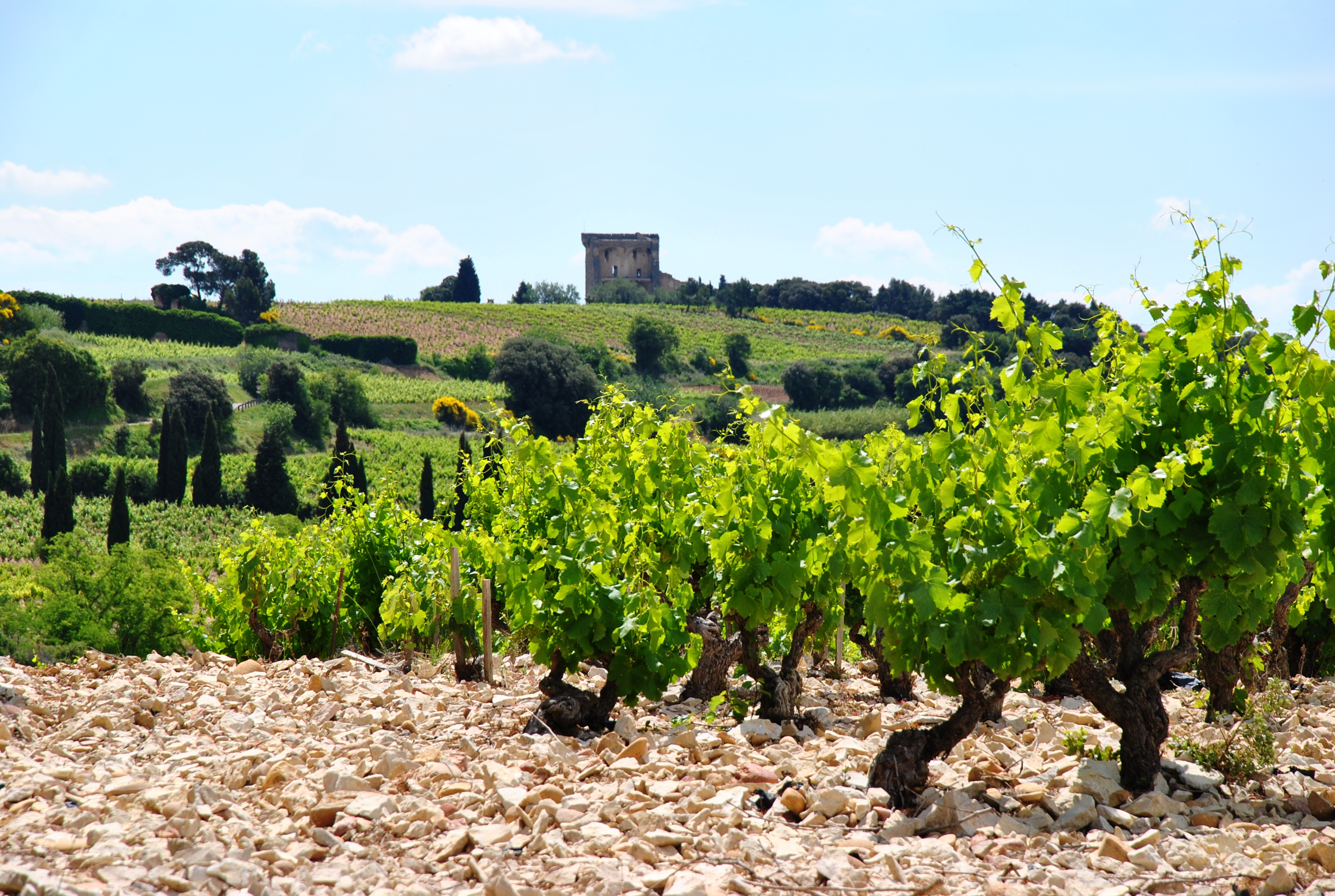
When people imagine Châteauneuf-du-Pape, they often picture old Grenache vines, sunny vineyards, red soils and powerful red wines meant for ageing.
However, the white wines of the appellation have their own identity and history.
They are made from traditional Rhône grape varieties such as Roussanne, Clairette, Grenache Blanc and other authorised varieties. Each grape contributes something different: floral aromas, freshness, roundness or aromatic complexity.
Every producer has their own interpretation.
Some focus on freshness and elegance, while others look for a richer and more generous style.
This diversity is one of the reasons why discovering Châteauneuf-du-Pape white wine is so fascinating.
Behind every bottle there is a winemaker’s vision.
A white wine that combines richness and elegance
Great wines are not only about power.
The most memorable wines are often those where everything is perfectly balanced.
A great Châteauneuf-du-Pape white wine should have body and generosity, but it should also keep energy and freshness.
This is what allows it to pair beautifully with food.
On the nose, you can often find aromas of white peach, pear, citrus fruits, white flowers, fresh almonds or subtle herbal notes.
With ageing, the wine develops even more complexity, revealing aromas of honey, dried fruits, spices or sometimes even delicate truffle notes.
It is a wine that evolves with time and continues to surprise.
Why chefs love Châteauneuf-du-Pape white wine
In gastronomy, the best wines are not necessarily the most powerful ones.
They are the wines that know how to accompany a dish.
Châteauneuf-du-Pape white wine has this rare ability.
Its richness allows it to match elegant and flavourful dishes, while its freshness keeps the balance.
It works beautifully with seafood, fish, poultry, creamy sauces, mushrooms, truffles and mature cheeses.
This versatility explains why it is increasingly appreciated by chefs and wine lovers looking for something special.
It does not compete with the food.
It completes it.
The best food pairings with Châteauneuf-du-Pape white wine
Scallops: a perfect match
If there is one pairing that perfectly illustrates the elegance of Châteauneuf-du-Pape white wine, it is probably scallops.
Imagine fresh scallops gently seared in a hot pan, with a touch of brown butter, perhaps a little citrus or a light cream sauce.
The delicate sweetness of the scallops meets the silky texture of the wine.
The freshness of the Châteauneuf-du-Pape white brings balance and length to the dish.
It is a simple combination, but one that can create unforgettable memories.
With fine fish
Sea bass, turbot, sole, monkfish or John Dory are wonderful partners for this type of wine.
These delicate fish varieties allow the wine to express itself without overpowering the flavours of the dish.
A simple preparation with herbs, butter sauce or citrus is often enough.
The wine adds depth while respecting the natural taste of the product.
With lobster and seafood
Some combinations simply feel natural.
Lobster and Châteauneuf-du-Pape white wine are one of them.
The generous texture of the wine matches perfectly with the delicate richness of lobster meat.
The same applies to langoustines, prawns or grilled seafood.
These are the kinds of pairings where you immediately understand why great white Rhône wines have such a strong place in gastronomy.
With poultry and creamy dishes
Many people associate white wine mainly with seafood.
But Châteauneuf-du-Pape white wine is also remarkable with poultry.
A chicken supreme with morels, a creamy Bresse chicken, roasted capon or veal with mushrooms are excellent examples.
The wine’s texture matches the richness of the sauce while maintaining freshness.
The result is elegant, balanced and refined.
With mushrooms and truffles
Some ingredients naturally call for great white wines.
Mushrooms and truffles are among them.
As Châteauneuf-du-Pape white wine ages, its aromas become more complex, sometimes developing notes of dried fruits, honey and forest floor.
These flavours create beautiful harmony with morels, porcini mushrooms or truffle-based dishes.
It is a pairing that reflects the elegance of French cuisine.
With mature cheeses
Many people automatically choose red wine with cheese.
However, some cheeses are actually better matched with a great white wine.
A well-aged Comté, Beaufort, sheep’s cheese or creamy cheeses can create wonderful combinations with Châteauneuf-du-Pape white wine.
The freshness of the wine balances the richness of the cheese.
A perfect way to finish a meal.
Can you enjoy Châteauneuf-du-Pape white wine as an aperitif?
Absolutely.
But this type of wine deserves more than simple snacks.
To truly appreciate it, serve it with quality ingredients.
Cheese gougères, smoked salmon, fresh seafood, burrata with olive oil, Mediterranean appetisers or delicate fish dishes are excellent choices.
The goal is not just to drink a glass of wine.
It is to begin a tasting experience.
A white wine with great ageing potential
One of the most fascinating qualities of Châteauneuf-du-Pape white wine is its ability to age.
When young, it offers freshness, fruit and floral aromas.
Over the years, it becomes deeper and more complex.
Honey, nuts, spices and subtle mineral notes can gradually appear.
Some wine lovers enjoy buying several bottles: one to enjoy now, and others to keep for future occasions.
This is the beauty of great wines.
They evolve.
They tell a story.
Serving temperature: an important detail
Serving temperature can completely change the experience.
Too cold, and the aromas remain hidden.
Too warm, and the richness of the wine can dominate.
The ideal serving temperature is usually between 11 and 13°C.
Give the wine a little time in the glass.
A great wine does not always reveal everything immediately.
Sometimes the best discoveries happen after a few minutes.
Discover Châteauneuf-du-Pape white wine at Domaine Tourbillon
At Domaine Tourbillon, we believe that wine is made to be shared.
Our Châteauneuf-du-Pape Blanc Confidentiel reflects this philosophy: creating a wine with balance, freshness and elegance, designed to accompany beautiful moments around the table.
Many visitors come to our tasting room to discover our Rhône Valley red wines first.
Then they taste our white Châteauneuf-du-Pape.
And often, it becomes one of their favourite discoveries.
Because a great white wine is not just a bottle.
It is a memory.
A dinner shared with friends.
A special occasion.
A conversation around a table.
And this is what makes Châteauneuf-du-Pape white wine so unique.
For many years, it remained in the shadow of the famous red wines of the appellation.
Today, more and more wine lovers are discovering that it truly deserves its place among the great gastronomic wines of the Rhône Valley.
