News
February 10, 2026
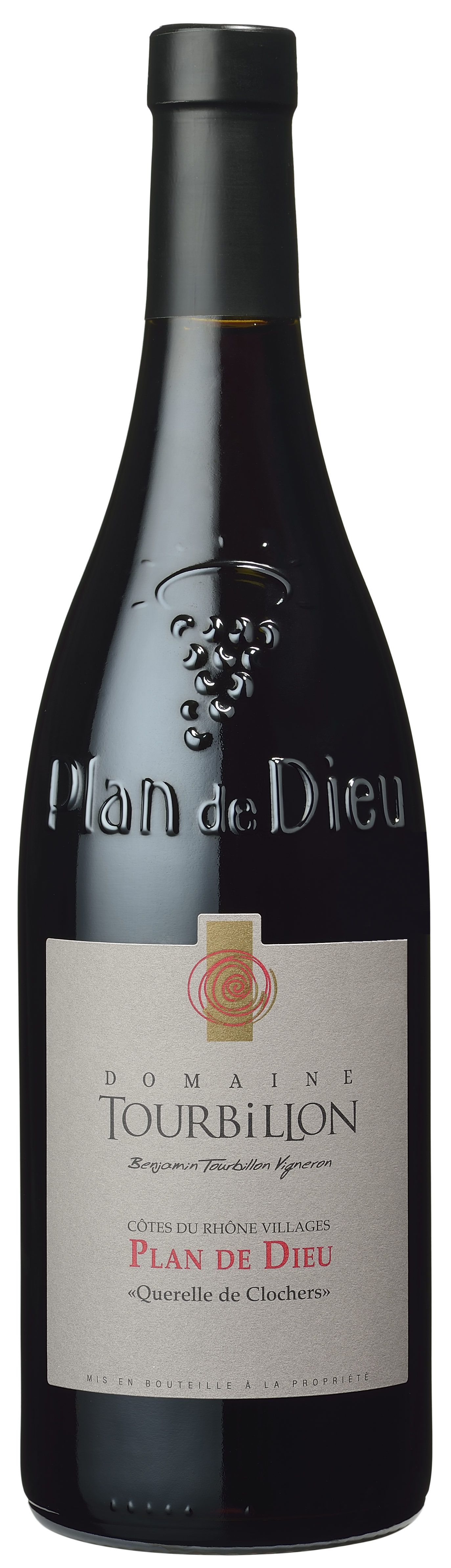
Plan de Dieu and Côtes-du-Rhône are two renowned appellations in the southern Rhône Valley, often confused. As a winemaker based in the heart of Plan de Dieu, I’d like to share my perspective on what truly sets them apart and helps to understand the character of our wines.
Appellation Level and Recognition
The main difference lies in the appellation level.
Côtes-du-Rhône is a regional appellation covering a wide territory with many different terroirs, which explains the diversity of its wines. Plan de Dieu, on the other hand, is a communal AOC since 2005: its boundaries are clearly defined, and its unique terroir justifies its own appellation.
For winemakers like us, this recognition validates the uniqueness of our soils and climate, while giving consumers a guarantee of quality.
Terroir and Soils
Plan de Dieu stands out for a homogeneous and specific terroir: a large alluvial plain between Orange, Camaret-sur-Aigues, Jonquières, and Violès, with rolled pebbles, red clay soils, and full exposure to the Mistral wind. These conditions produce concentrated, healthy, and aromatic grapes.
Côtes-du-Rhône vineyards, by contrast, feature very diverse soils: hillsides, plains, calcareous or clay soils, resulting in wines that are sometimes lighter and fruitier.
Wine Styles
Côtes-du-Rhône wines are generally soft and enjoyable young. Plan de Dieu wines offer structured reds with aromas of dark fruit, garrigue herbs, and spices, and good aging potential. They reflect a terroir-driven style that is generous yet balanced.
My Winemaker’s Perspective
For me, choosing a Plan de Dieu wine is about terroir precision and the authenticity of a recognized appellation. Côtes-du-Rhône is perfect for exploring the region, but Plan de Dieu fully expresses the richness and typicity of our land.
Come and taste our cuvées at Domaine Tourbillon – each bottle tells the story of our plain, our soils, and our passion for wine.
